
Wisdom teeth are the third set of molars located at the back of your mouth, and they typically emerge during the late teen years or early twenties. For many people, these teeth can become problematic, leading to pain, infection, or damage to surrounding teeth. At Imagine Dental Group in Vancouver, we provide comprehensive dental care, including wisdom teeth evaluations, to help determine if removal is necessary.
In this blog, we’ll discuss the common signs that it’s time to remove your wisdom teeth in Vancouver BC, why removal is sometimes necessary, and what you can expect during the procedure.
Why Wisdom Teeth Matter for Vancouver Patients
For some individuals, wisdom teeth grow in without any issues, and they don’t require removal. However, in many cases, these teeth become impacted, causing discomfort, swelling, or other dental issues. If not addressed, impacted wisdom teeth can lead to infections, tooth decay, and misalignment. Regular dental checkups at Imagine Dental Group allow our team to monitor your wisdom teeth and decide whether removal is the best course of action.
Signs That It’s Time for Wisdom Teeth Removal
If you’re experiencing any of the following symptoms, it may be time to discuss wisdom teeth removal with your dentist:
- Pain or Discomfort in the Back of the Mouth
One of the most common signs that your wisdom teeth may need to be removed is persistent pain or discomfort at the back of your mouth. This can occur when the teeth are emerging or becoming impacted, which can put pressure on surrounding teeth and cause swelling or aching.
What to Look for: If the pain is consistent or worsens over time, it may be a sign that your wisdom teeth are coming in at an angle, causing damage or irritation to the nearby teeth and gums.
- Swelling or Redness in the Gums
When wisdom teeth begin to emerge or become impacted, the surrounding gums can become inflamed, swollen, or red. This can lead to tenderness and even bleeding when brushing or chewing. If this happens frequently, it may indicate that your wisdom teeth are causing issues with your gum tissue.
What to Look for: Swelling that doesn’t go away, especially accompanied by pain or discomfort, could indicate an infection or the development of gum disease (pericoronitis), which may require removal.
- Jaw Stiffness or Difficulty Opening the Mouth
If your wisdom teeth are impacted or growing at an angle, they can put pressure on your jawbone and surrounding teeth, leading to stiffness or difficulty opening your mouth fully. This discomfort can make it hard to eat, speak, or clean your teeth properly.
What to Look for: A noticeable reduction in your ability to open your mouth wide or discomfort in your jaw when chewing could suggest that your wisdom teeth are causing complications.
- Bad Breath or Unpleasant Taste in the Mouth
In some cases, wisdom teeth that haven’t fully erupted can create pockets where food particles and bacteria get trapped. This can lead to bad breath (halitosis) or a bad taste in your mouth, even if you’re practicing good oral hygiene.
What to Look for: If your breath remains foul even after brushing and rinsing, or if you notice a persistent bad taste that doesn’t go away, it might be a sign of infection or bacteria buildup around the wisdom teeth.
- Cavities or Damage to Adjacent Teeth
Impacted wisdom teeth can push against neighboring teeth, leading to alignment issues, cavities, or cracks in the surrounding teeth. When wisdom teeth push against the second molars, it can cause those teeth to become misaligned or even damaged.
What to Look for: If you notice visible damage or cavities on the second molars or experience discomfort when chewing, it could be a sign that your wisdom teeth are affecting the health of your other teeth.
- Infection or Cysts
In more severe cases, wisdom teeth can lead to infections or cysts. When teeth are impacted or don’t emerge properly, they can create an environment where bacteria can thrive, leading to painful infections. Infections around wisdom teeth may require immediate attention and removal.
What to Look for: If you experience fever, excessive swelling, or pain around your wisdom teeth, you should seek dental care as soon as possible. These symptoms may indicate an infection that requires professional treatment.
What to Expect During Wisdom Teeth Removal
If your dentist determines that your wisdom teeth need to be removed, you’ll likely undergo a simple or surgical extraction procedure, depending on the position of your teeth. Here’s what you can expect:
- Consultation and X-Rays
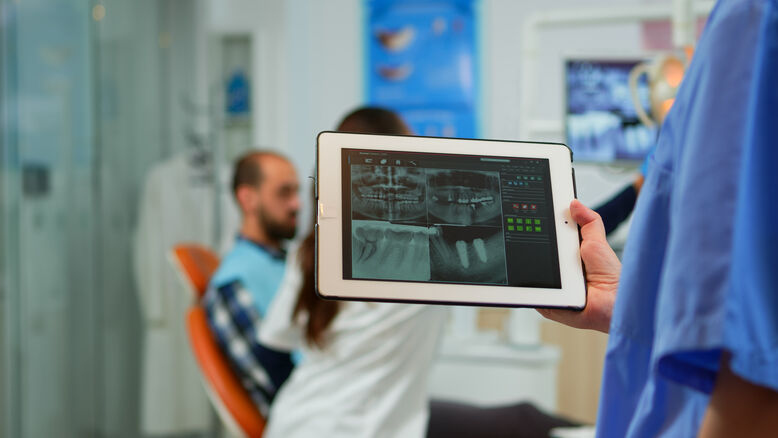
Before the procedure, your dentist will take X-rays to assess the position of your wisdom teeth. This will help determine the best approach for removal. Your dentist will also discuss your medical history and go over any medications you may be taking to ensure the procedure is safe. - Anesthesia Options
Wisdom teeth removal is typically done under local anesthesia, which numbs the area around your teeth. If you are particularly anxious or if the procedure is more complex, you may be offered sedation options, such as IV sedation or general anesthesia, to keep you comfortable throughout the procedure. - The Extraction Procedure
The dentist will make a small incision in the gum tissue to access the tooth or teeth. If the wisdom teeth are impacted, they may be broken into smaller pieces for easier removal. The procedure typically takes between 30 minutes to an hour, depending on the complexity of the extraction. - Recovery After the Procedure
After the removal, you will need time to heal. You may experience some swelling, bruising, and mild discomfort for a few days following the procedure. Your dentist will provide specific aftercare instructions, including how to manage pain, reduce swelling, and promote healing. You may be prescribed pain medication or antibiotics to prevent infection. - Follow-Up Appointment
A follow-up appointment will typically be scheduled to ensure that you are healing properly and to remove any stitches if necessary. Most patients recover fully within 1-2 weeks.
How to Manage Recovery After Wisdom Teeth Removal
- Rest and Ice
Take it easy for the first 24 hours after the procedure and apply an ice pack to reduce swelling. Resting will help you recover more quickly. - Eat Soft Foods
Stick to soft foods like soups, smoothies, and mashed potatoes for the first few days. Avoid hard, crunchy, or chewy foods that can irritate the extraction site. - Avoid Smoking and Straws
Avoid smoking and using straws for at least 24-48 hours, as the suction can disrupt the healing process and increase the risk of complications like dry sockets. - Follow Pain Management Guidelines
Take prescribed pain medications as directed to manage discomfort. If over-the-counter pain relievers are sufficient, follow the dosing instructions carefully.
Local Patient Review
“I had my wisdom teeth removed at Imagine Dental Group, and the experience was much better than I expected. The team was incredibly professional, and the procedure was quick and painless. I had a smooth recovery, and now I feel so much better!”
FAQs About Wisdom Teeth Removal
How do I know if I need my wisdom teeth removed?
If you experience pain, swelling, difficulty opening your mouth, or bad breath, it may be time to consult with your dentist about removing your wisdom teeth. Your dentist will conduct an examination and review X-rays to determine if removal is necessary.
Is the wisdom teeth removal procedure painful?
The procedure is performed under anesthesia, so you won’t feel pain during the removal. After the procedure, some discomfort is normal, but it can usually be managed with pain medication.
How long does it take to recover from wisdom teeth removal?
Most people recover within 1-2 weeks after wisdom teeth removal, though some may experience swelling and discomfort for a few days.
Can wisdom teeth grow back after they are removed?
No, once wisdom teeth are removed, they do not grow back.
Your Next Step to a Healthier Smile
If you think you may need your wisdom teeth removed, Imagine Dental Group is here to help. Our experienced team can assess your situation and provide you with the best treatment options for your oral health. Contact us today to schedule a consultation and take the first step toward a pain-free, healthy smile!