
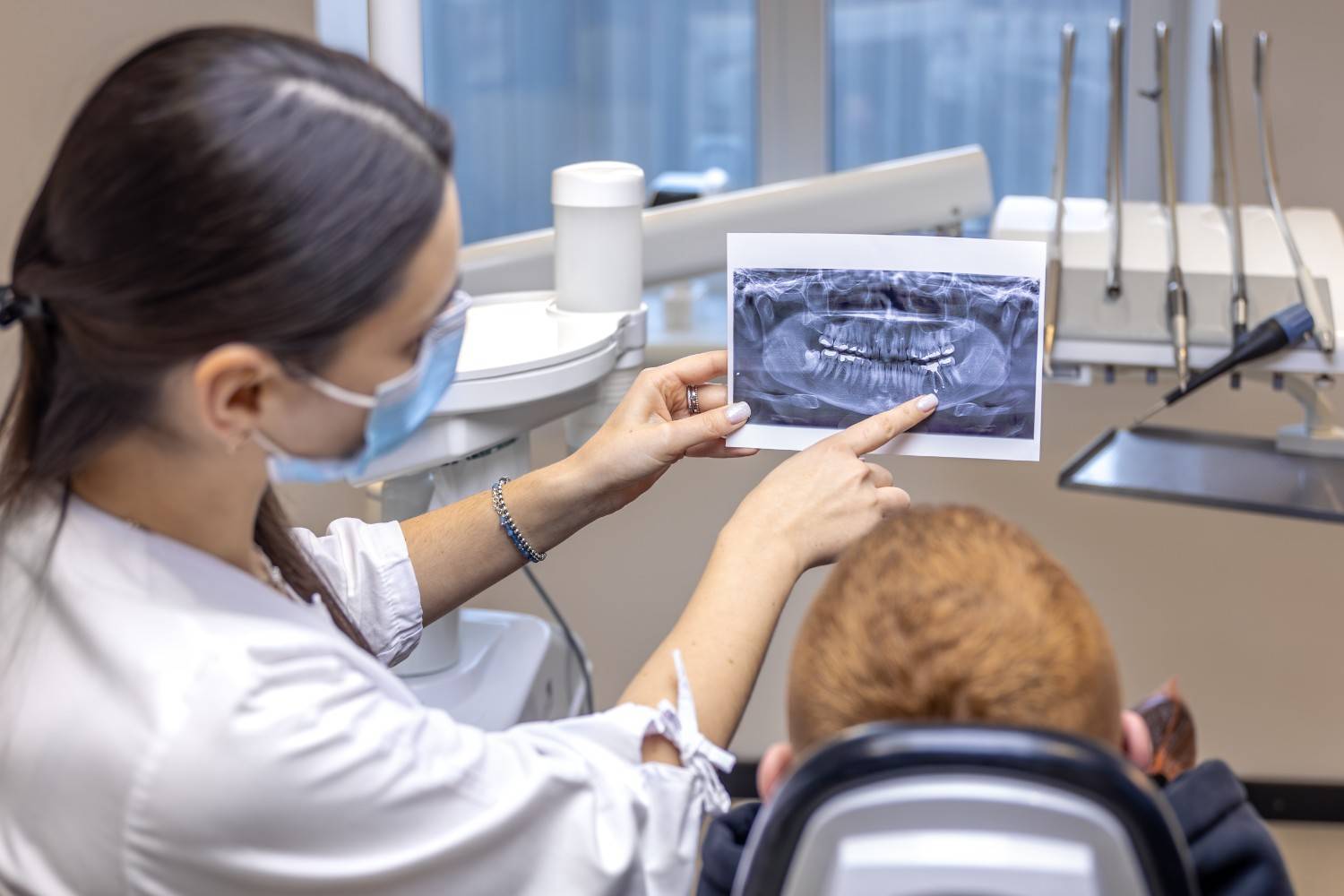
Composite fillings are one of the most common and natural-looking ways to repair cavities, but knowing how to care for them during the first few days—and long after—can make a big difference in their longevity. At Imagine Dental Group, Vancouver patients often ask what to expect after a filling appointment, how to manage sensitivity, and which habits help protect the restoration.
Whether you’re searching for fillings Vancouver BC, scheduling a tooth fillings consultation Vancouver BC, or simply want to keep your smile strong, understanding these care tips helps ensure your filling lasts as long as possible.
What Are Composite Fillings?
Composite fillings are tooth-coloured restorations made from durable resin materials that blend naturally with your teeth. They are used to treat cavities, repair minor chips, and restore areas of wear.
Compared to older silver fillings, composite materials bond directly to the tooth, offering improved appearance and allowing for more conservative treatment.
What Vancouver Patients Commonly Experience After a Filling
Mild Sensitivity
Some patients feel temporary sensitivity to hot, cold, or pressure for a few days. This usually improves as the tooth settles.
Numbness
If local anaesthetic was used, your cheek, lip, or tongue may feel numb for a short period after the appointment.
Slight Pressure or Bite Adjustment
Your bite may feel different at first. If the filling feels “too high,” a quick adjustment solves the issue.
Smooth, Natural Appearance
Composite materials match your tooth colour, making the filling blend into your smile seamlessly.
These experiences are normal and typically improve quickly.
Tips to Care for Composite Fillings After Treatment
1. Avoid Chewing Until Numbness Wears Off
Chewing while numb increases the risk of biting your cheek or tongue. Wait until full sensation returns before eating.
2. Start With Soft Foods
During the first 24 hours, choose softer foods such as:
- Yogurt
- Soups
- Eggs
- Smoothies
Avoid biting down too hard on the treated tooth right away, especially if the filling is large.
3. Manage Sensitivity Gently
It’s normal for teeth to feel sensitive for a short time. To minimize discomfort:
- Avoid extremely hot or cold foods
- Chew on the opposite side for a day or two
- Use toothpaste designed for sensitivity
Sensitivity usually fades as the tooth adjusts.
4. Brush and Floss Normally
You should maintain your regular oral hygiene routine immediately after treatment.
Gently floss around the new filling to prevent plaque buildup and protect the edges of the restoration. Good hygiene is essential to prevent decay from forming around or under the filling.
5. Avoid Hard, Sticky, or Crunchy Foods Initially
Foods that can loosen or crack newly placed fillings include:
- Caramel or sticky candies
- Ice
- Hard nuts
- Popcorn kernels
Avoiding these during the first 48 hours helps protect the new restoration.
6. Watch for Bite Problems
If your bite feels uneven or uncomfortable, contact your dentist Vancouver BC. A small adjustment can make a big difference in comfort and long-term wear.
7. Avoid Using Teeth as Tools
Using your teeth to open packages, bite nails, or hold objects puts excess pressure on fillings and natural teeth. This habit can shorten the lifespan of composite fillings significantly.
8. Protect Teeth From Grinding
Many Vancouver patients grind their teeth, especially at night. Grinding places heavy force on composite fillings. A nightguard protects the restoration and helps prevent cracks and fractures.
9. Stay Consistent With Regular Dental Visits
Routine checkups allow your dentist to monitor the integrity of the filling and catch early issues before they become bigger problems.
This is especially helpful for patients with multiple restorations who want to avoid unnecessary wear.
Why Proper Care Matters for Vancouver Families
Composite fillings are durable, but like all restorations, they require good home care to stay strong. Vancouver families value long-term dental health, and maintaining fillings prevents repeat decay, emergency visits, and future need for crowns.
For those considering other treatments—such as crowns at a dental crowns clinic Vancouver BC or cosmetic upgrades—healthy fillings create a stable foundation for broader dental plans.
What to Expect During a Filling Appointment
A typical composite filling visit includes:
- Local anaesthetic for comfort
- Removal of decay or damaged tooth material
- Placement and shaping of composite resin
- Hardening and polishing of the filling
- Bite adjustment
Most appointments are complete within an hour and require minimal downtime.
Local Patient Review
“I was nervous about getting my first composite filling, but the team explained everything clearly. The procedure was comfortable, and they gave me great tips to manage sensitivity afterward. The filling looks completely natural.”
Extended FAQs
1. How long do composite fillings last?
Composite fillings typically last several years depending on their size, placement, and daily habits. Good oral hygiene, avoiding hard foods, and attending regular checkups extend their lifespan significantly.
2. Is it normal to feel sensitivity after a filling?
Yes. Mild sensitivity to temperature or pressure is common for a few days. If discomfort lasts more than two weeks or gets worse, contact your dentist—the filling may need adjustment.
3. Can composite fillings fall out?
While durable, composite fillings can loosen if the tooth experiences repeated pressure, grinding, or decay around the edges. Proper care and routine checkups help prevent this.
4. What foods should I avoid right after getting a filling?
Sticky candies, very hard foods, popcorn kernels, and ice can stress a new filling. Stick to softer foods initially until the tooth adjusts.
5. How do I know if my filling needs repair?
Signs include pain when biting, visible cracks, rough edges, or food constantly getting stuck around the area. A dentist can easily diagnose and repair a worn filling before it worsens.
6. Are composite fillings safe?
Yes. Composite materials are widely used, safe, and biocompatible. They bond strongly to the tooth and do not require removing as much natural tooth structure as older metal fillings.
7. Can I combine fillings with cosmetic treatments?
Absolutely. Many Vancouver patients pair fillings with whitening, veneers, or crowns. Your dentist will coordinate treatment to ensure colour matching and long-term success.
8. What questions should I ask during my fillings consultation?
Questions often include:
- How large is the cavity?
- Will a filling or crown be better long term?
- How long will the filling last?
Why did the cavity form?
These are common in a tooth fillings consultation Vancouver BC, and your dentist will walk you through each answer.
Your Next Step to a Healthy Smile
Understanding how to care for your composite fillings helps protect your teeth and maintain long-lasting results. Imagine Dental Group offers patient-focused restorative care designed to keep your smile strong and comfortable. When you’re ready to explore more treatment options or ask questions about your dental health, you can learn more about the services that best support your long-term goals.